


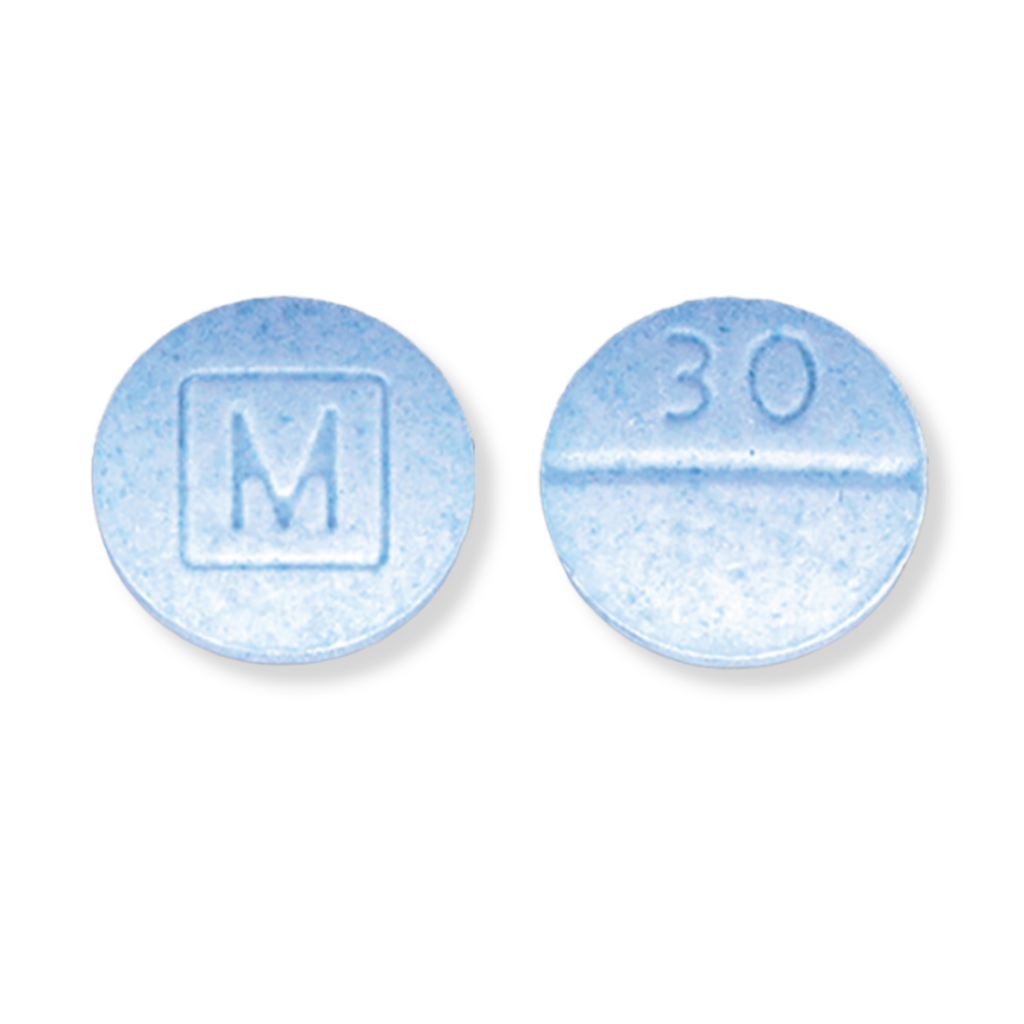




In the heart of the United States lies a pressing crisis, one that silently unfolds and affects communities across the nation—the surge in non-fatal overdoses and the devastating toll of overdose deaths. Beyond the statistics lies a complex narrative where individuals grapple with the consequences of substance use, particularly opioids. The alarming rise in non-fatal overdoses unveils a hidden struggle, challenging communities to confront the broader spectrum of this epidemic.
Non-fatal overdoses are incidents where an individual survives an overdose. These can involve various substances, including opioids, prescription medications, and illicit drugs.
Addiction isn’t a rare health condition. A 2017 research study found that about 1 in 10 U.S. adults report being in recovery.
Opioid overdose deaths have been a major concern in the U.S. The opioid epidemic, driven by the misuse of prescription opioids and the rise of illicit opioids like fentanyl, has contributed to a significant number of overdose fatalities.
*National Institute on Drug Abuse (NIDA)
In a 2019 research study, the majority reported resolving a drug problem after a few attempts.
It affects various age groups, with young adults and middle-aged individuals experiencing higher rates of overdose.
Understanding the nature of the epidemic is crucial for developing targeted interventions that address both immediate crises and underlying contributing factors.
Yes! There is hope. Over 22 million Americans have recovered from substance addiction. Many options are available, including medication for addiction treatment, behavioral counseling, support meetings, and harm reduction.
Subscribe to our newsletter with updates on what we are doing in the community and the impact it has.
© We Care WV 2026